Reef-Safe Sunscreen: What It Means and How to Choose the Right One

Key takeaways:
- Some sunscreens contain ingredients that can harm coral reefs and marine life.
- Reef-safe sunscreens use ingredients that are less likely to be absorbed into the ocean or ingested by coral reefs.
- Many reef-friendly sunscreens are HSA eligible, which means you can use your pre-tax funds to prevent sunburn and help protect reefs.
Sunscreen is essential to keeping you safe in the sun. And while we might not think about it when we’re having fun at the beach or lake, sunscreen can wash off into the water, which can be harmful to coral reefs and marine life.
Sunscreens aren’t created equal, however, and some are easier on the oceans than others. We’ll explain how to tell whether a sunscreen is reef safe. But first, let’s look at why your sunscreen choice matters when it comes to marine conservation.
How does sunscreen use affect coral reefs?
Before we dive in, it’s important to note that sunscreen, by itself, isn’t bad. In fact, sunscreen protects against the three most common skin cancers: squamous cell carcinoma, basal cell carcinoma, and melanoma.
But sunscreen washes off when we’re swimming, diving, snorkeling, or participating in other water activities. It can also reach the ocean through showering and wastewater. Even the mist from aerosol sunscreen sprays can collect on the sand and get washed into the ocean.
It’s no surprise, then, that about 4,000 to 6,000 tons of sunscreen enter oceans worldwide every year.
Once in the water, sunscreen chemicals can harm marine life and coral reefs. Several common ingredients in sunscreen, like oxybenzone, have been found to disrupt the health of coral reefs and contribute to bleaching (a white color that indicates increased stress and higher likelihood of death).
Oxybenzone also becomes more toxic when it’s exposed to sunlight. That makes it even more harmful in the environments where it’s often used.
Along with other compounds in sunscreen that filter UV rays, such as octocrylene and octinoxate, oxybenzone may also affect fish fertility and reproduction and build up in the bodies of sea animals such as dolphins.
What makes a sunscreen reef safe?
The main ingredients that make a sunscreen reef friendly are zinc oxide and titanium dioxide—but only if they’re non-nano ingredients, which are larger and harder for corals to ingest. Zinc oxide and titanium dioxide don’t dissolve as easily in water and are less likely to harm reefs.
Some sunscreens labeled “reef safe” may not be, and the label isn’t regulated. So it’s always a good idea to check the ingredients yourself.
In addition to oxybenzone, other ingredients to avoid in sunscreen include:
- Octinoxate
- Avobenzone
- Homosalate
- Octisalate
- Octocrylene
- Nanoparticles
In 2018, Hawaii’s legislature passed Act 104, which prohibited the sale or distribution of sunscreens containing oxybenzone or octinoxate. Sunscreens that are Hawaii Act 104 compliant don’t use these ingredients.
Which types of sunscreens are reef safe?
Mineral sunscreens are usually (but not always) the more reef-friendly choice because they contain zinc oxide and titanium dioxide.
Mineral and chemical sunscreens are the main types of sunscreens. Mineral sunscreens are noticeable on the skin and start working immediately. They form a layer on the skin’s surface that reflects UV rays. Chemical sunscreens, on the other hand, are usually invisible when applied and take about 30 minutes to start working. They absorb the sun’s rays and convert them to heat, which the body then releases.
Which reef-safe sunscreens are HSA eligible?
Fortunately, several sunscreens are made without harmful ingredients and will still protect you from damaging UV rays—and they’re HSA eligible.
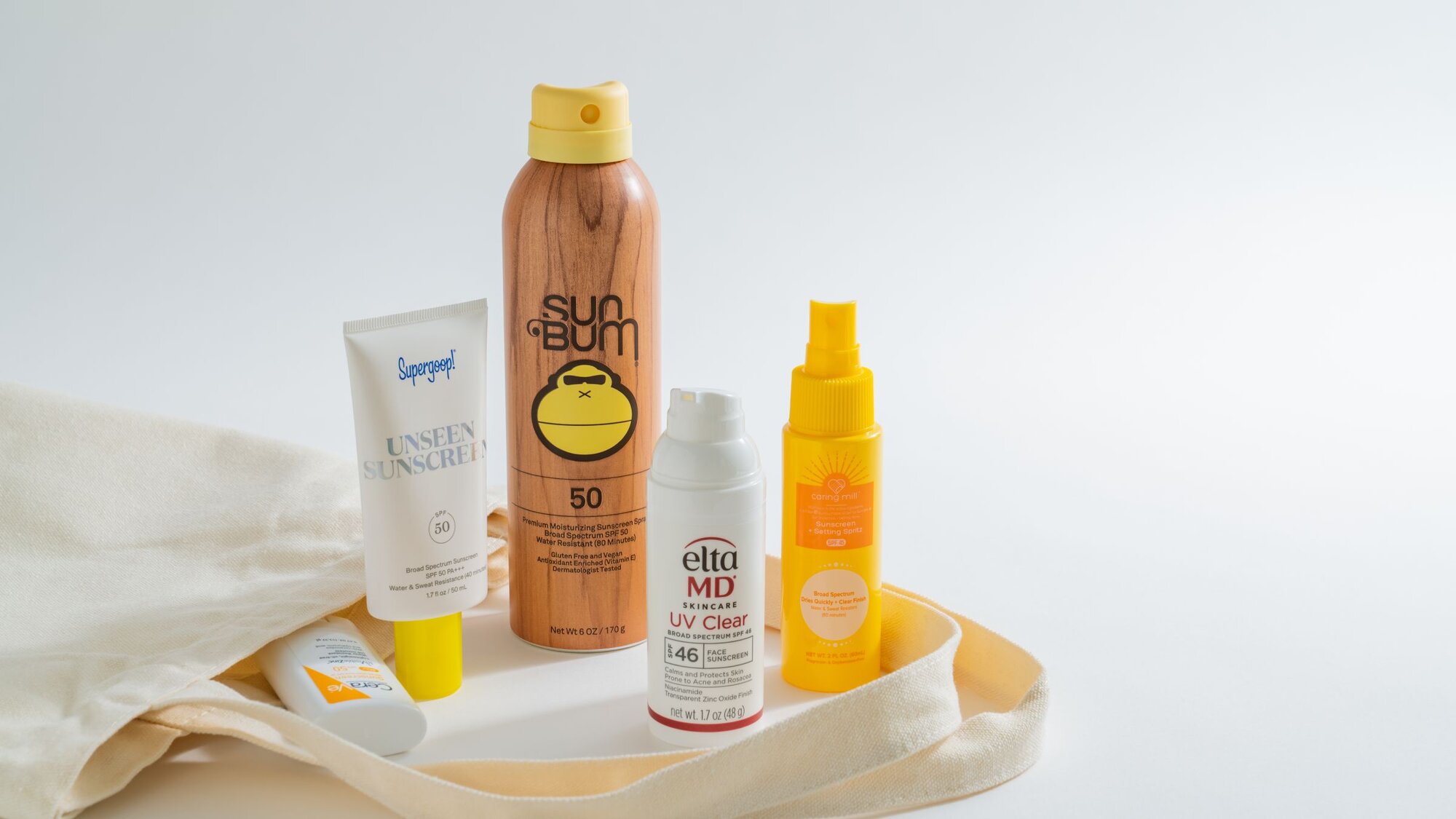
Here are a few of our favorite HSA eligible reef-safe sunscreen brands:
- Bare Republic Mineral SPF 50 Sunscreen Spray, Vanilla-Coco
- Coola Mineral Body Organic Sunscreen Spray SPF 30
- MDSolarSciences Mineral Moisture Defense SPF 50
- Sun Bum Mineral Sunscreen Lotion SPF 50
You can find all our HSA eligible suncare products here.
Other ways to protect reefs
Purchasing ocean-safe sunscreen isn't the only way to help reefs and the planet. Here are a few tips for reducing your carbon footprint and keeping reefs a little safer.
- Use other sun protection measures. Wearing a hat, opting for sun-protective clothing, using rash guards instead of a bathing suit, and seeking shade where possible can cut down on your sunscreen use while minimizing your exposure to UV rays.
- Reduce fertilizer use. The nutrients in fertilizers can get washed into waterways and enter oceans, where they can pollute the water and harm reefs.
- Be a reef-friendly traveler. If you’re visiting an area with reefs, avoid touching them or anchoring your boat to them. Contact can disturb the reef animals, and anchoring a boat to a reef can kill the corals.
- Support reef conservation. You can also donate to or volunteer with organizations that are working to protect reefs, such as the Coral Restoration Foundation and Reef Check.
In summary
By choosing sun protection that’s reef safe, you’re reducing the risk of harm to coral reefs and the ocean ecosystem.
Not swimming? You may still want to go with reef-friendly sunscreen because it eventually makes its way into local waterways after you wash it off.
Looking for other ways to stay safe in the sun? Learn how to choose the right SPF for your sunscreen.
FAQs
Is mineral sunscreen always reef safe?
No. Mineral sunscreens often contain reef-safe ingredients, such as zinc oxide and titanium dioxide. But they may also use nanoparticles, which can be toxic to reefs in high concentrations. They also may contain microplastics or other synthetic additives.
Is zinc oxide reef safe?
Yes, zinc oxide is considered a reef-safe sunscreen ingredient if it’s non-nano sized. As mentioned above, nanoparticles can be toxic to reefs and marine life because they’re smaller and can be absorbed more easily.
References
Buckley, S. (2025). Reef-Safe Sunscreen: A Complete Guide to Protecting Coral Reefs. Sustainable Travel International.
Coral Reef Education Institute. (2019). Chemical Sunscreen Kills.
Downs, C.A., et al. (2015). Toxicopathological Effects of the Sunscreen UV Filter, Oxybenzone (Benzophenone-3), on Coral Planulae and Cultured Primary Cells and Its Environmental Contamination in Hawaii and the U.S. Virgin Islands. Archives of Environmental Contamination and Toxicology.
Environmental Protection Agency. (2026). What You Can Do to Help Protect Coral Reefs.
Fent, K., et al. (2008). UV Filters in the Aquatic Environment Induce Hormonal Effects and Affect Fertility and Reproduction in Fish. Chimia.
Gonzalez-Bareiro, E., et al. (2023). Assessment of the presence of UV filters and UV stabilizers in stranded dolphin blubber. Science of the Total Environment.
Harvard Health. (2021). The science of sunscreen.
Hawai'i State Legislature. (n.d.). Act 104.
Maui Nui Marine Resource Council. (n.d.). Sunscreen Pollution.
National Ocean Service. (2024). What is coral bleaching?
National Park Service. (2022). Sunscreen.
Oceanic Society. (2023). Reef Safe Sunscreen: Our Guide to Ocean-Friendly Sun Protection.
Roomet, M. (2025). Is Mineral Sunscreen Considered ‘Reef Safe?’ Project Reef.
Save the Reef. (n.d.). Reef Safe Sunscreen Guide.